Best Tricentis Tosca Alternatives in 2026
Written byDominik SzahidewiczReviewed byBartek Krzyzanowski


Updated: November 5, 2026View as Markdown
Tricentis Tosca has long been considered a heavyweight in the enterprise testing space. Its model-based approach, support for SAP and packaged apps, and risk-based prioritization make it a favorite for large organizations.
But let’s be honest: Tosca comes with a price tag and complexity that many small-to-medium teams simply can’t afford. Over the past few years, leaner, more affordable, and more agile test automation tools have risen as viable alternatives.
If you’re tired of Tosca’s steep learning curve, licensing costs, and enterprise-focused workflow, this list of 2025’s best Tosca alternatives will give you a clear picture of what fits your team’s needs.
Check also:

Tricentis Tosca is a model-based test automation platform designed for large-scale enterprise testing. It specializes in ERP, packaged apps, and end-to-end testing with risk-based prioritization.
Key Features:
Pros:
Cons:
When selecting an alternative, we compared tools across:
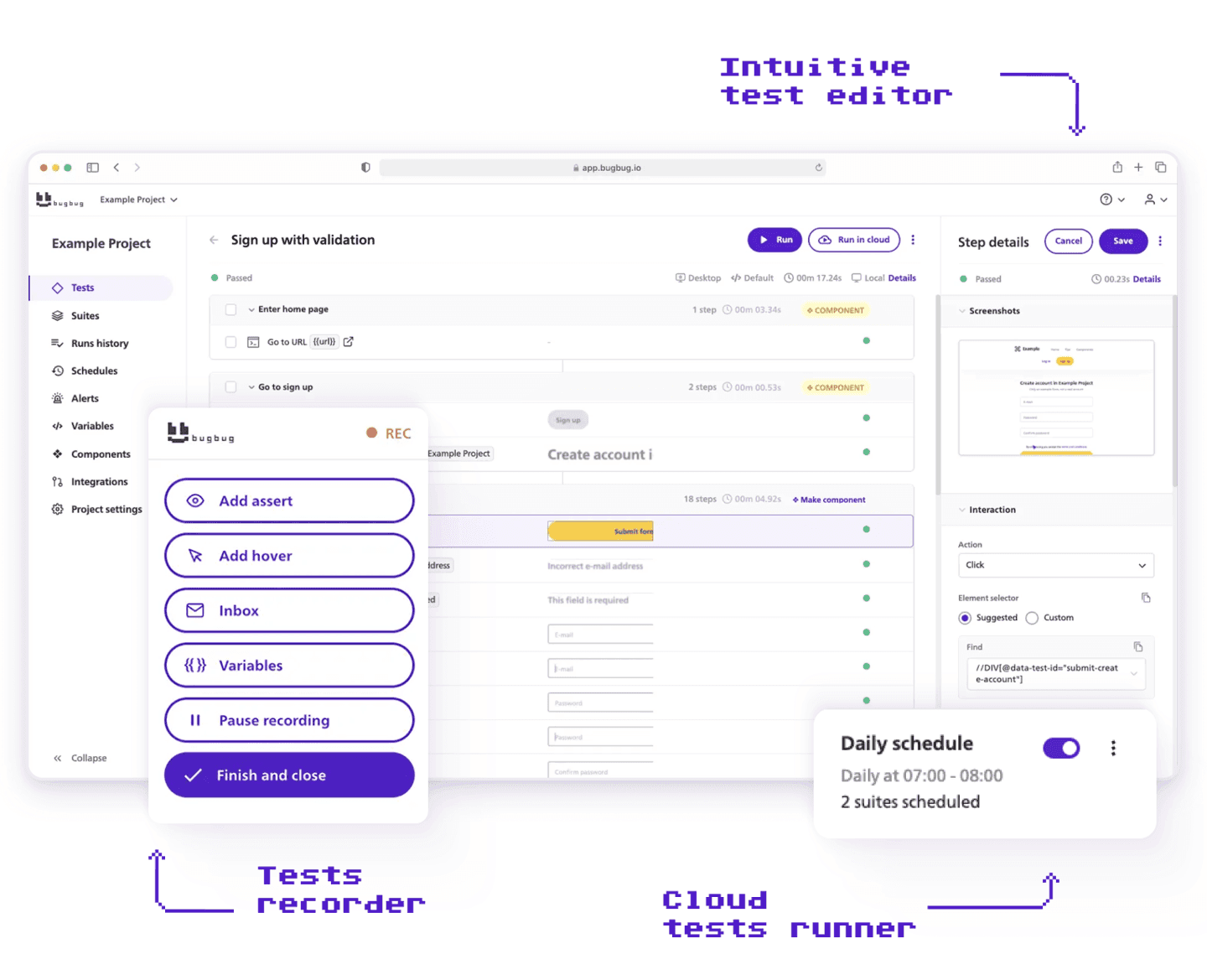
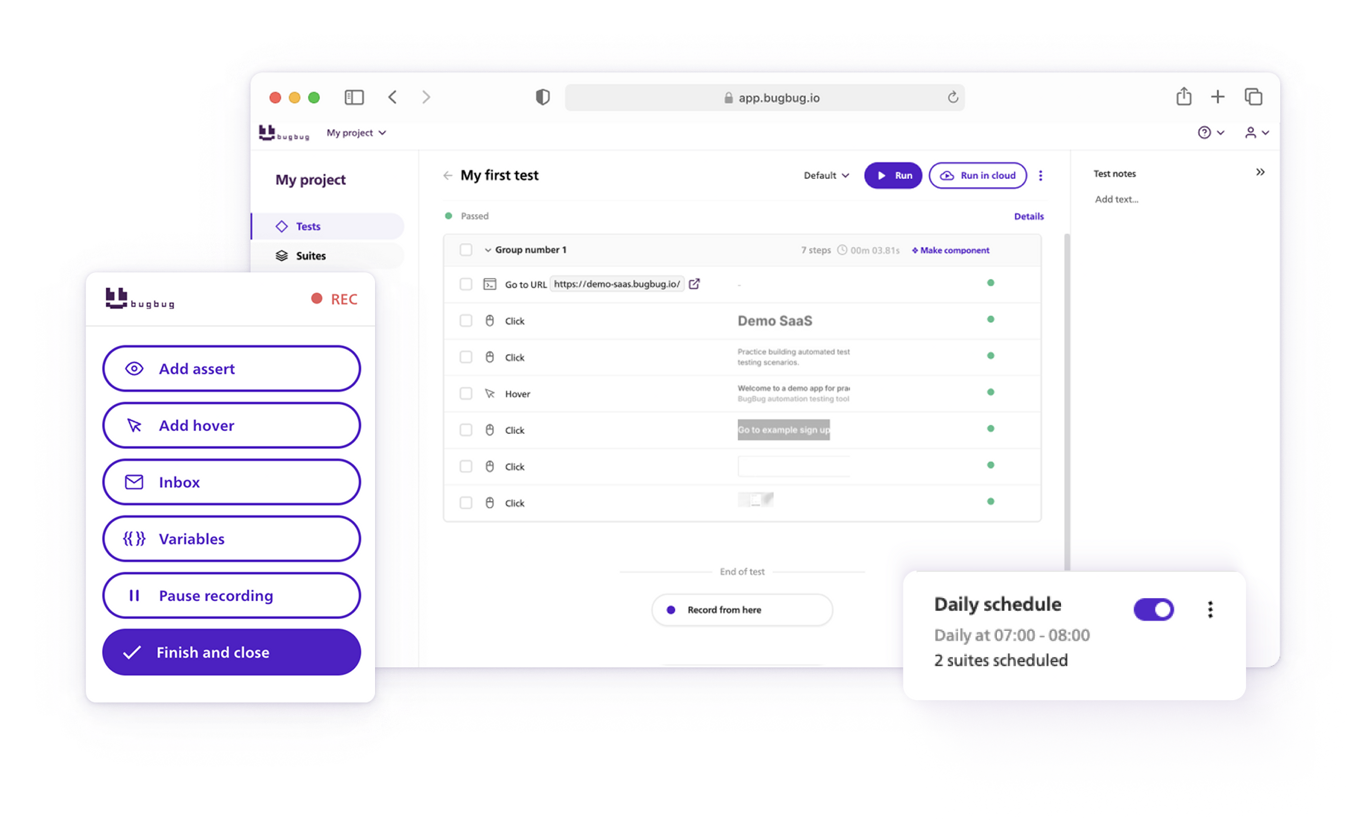
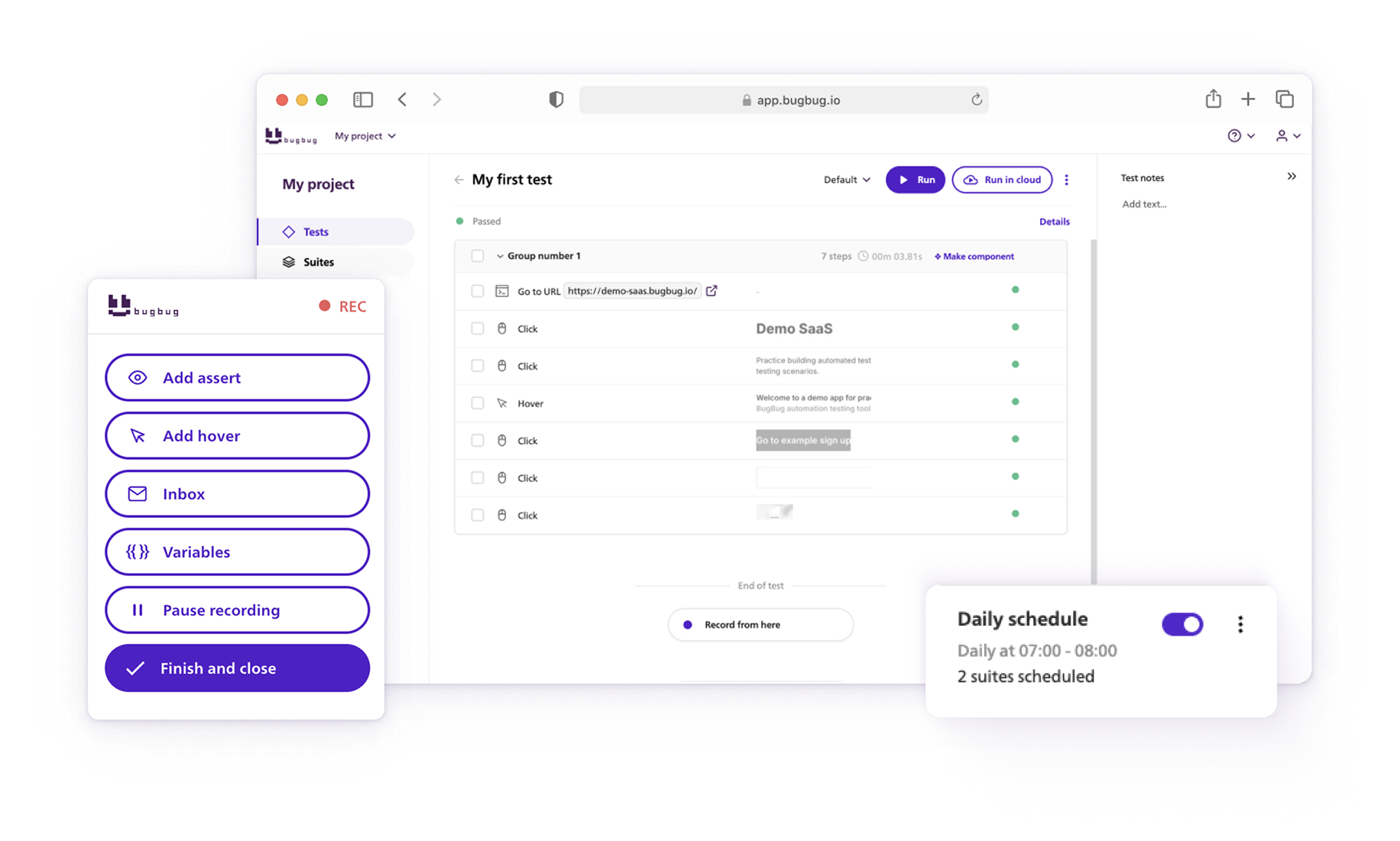
BugBug is a no-code, streamlined test automation tool purpose-built for modern web applications.
While Tricentis Tosca focuses on enterprise-grade, model-based testing for SAP, Oracle, and packaged systems, BugBug takes the opposite approach: speed, simplicity, and accessibility for smaller teams.
Smaller teams can also use AI agents through BugBug MCP on the same tests they record, with readable YAML available for external review and backups.
It’s ideal for QA engineers, startups, and agile product teams that want to get automation up and running in hours, not weeks. With unlimited runs on the freemium plan and zero infrastructure overhead, BugBug helps teams achieve fast ROI without enterprise-level costs or complexity.
| Feature | BugBug | Tricentis Tosca |
|---|---|---|
| Best for | Product teams, Startups, SMBs, small QA teams | Large enterprises with SAP/ERP focus |
| Ease of Use | ✅ Very easy, codeless UI | ⚠️ Steep learning curve, model-based testing |
| Platform Coverage | Web apps (Chromium browsers) | Web, mobile, desktop, SAP, Oracle, Salesforce |
| Enterprise App Testing | ❌ Not supported | ✅ Strong packaged app coverage (SAP, Oracle) |
| Infrastructure Needs | ✅ Cloud-based, zero setup | ⚠️ Requires enterprise setup & integrations |
| Flexibility | ⚠️ Less customization (no advanced scripting) | ✅ Highly customizable for enterprise workflows |
| Debugging | ✅ Edit & rewind for fast fixes, MCP | ⚠️ Complex debugging in enterprise scenarios |
| Collaboration | ✅ Unlimited users, simple sharing | ✅ Enterprise-level role management |
| Test Runs | ✅ Unlimited runs (even on the free plan) | ⚠️ Limited by licensing and infrastructure |
| Pricing | 💸 Freemium + affordable paid tiers | 💰 $$$$ Enterprise pricing, high TCO |
If you’re a startup or mid-sized team, Tosca is simply too heavy and expensive. BugBug is purpose-built for fast, web-focused automation where ease of use and affordability matter most.
Tosca remains the stronger choice if your organization requires enterprise workflows, SAP support, and packaged app testing.

Katalon is a widely used automation platform covering web, mobile, API, and desktop testing.
Key Features
Strengths
Limitations
Best Use Cases

UiPath extends its RPA capabilities into test automation, combining business process automation and software testing.
Key Features
Strengths
Limitations
Best Use Cases

Leapwork uses flowchart-based, no-code automation to help mixed teams collaborate.
Key Features
Strengths
Limitations
Best Use Cases

Eggplant uses AI/ML to generate and maintain tests across multiple platforms.
Key Features
Strengths
Limitations
Best Use Cases

Panaya specializes in change intelligence and risk-based testing for ERP platforms.
Key Features
Strengths
Limitations
Best Use Cases

Ranorex is a mature tool with strong support for Windows desktop apps.
Key Features
Strengths
Limitations
Best Use Cases
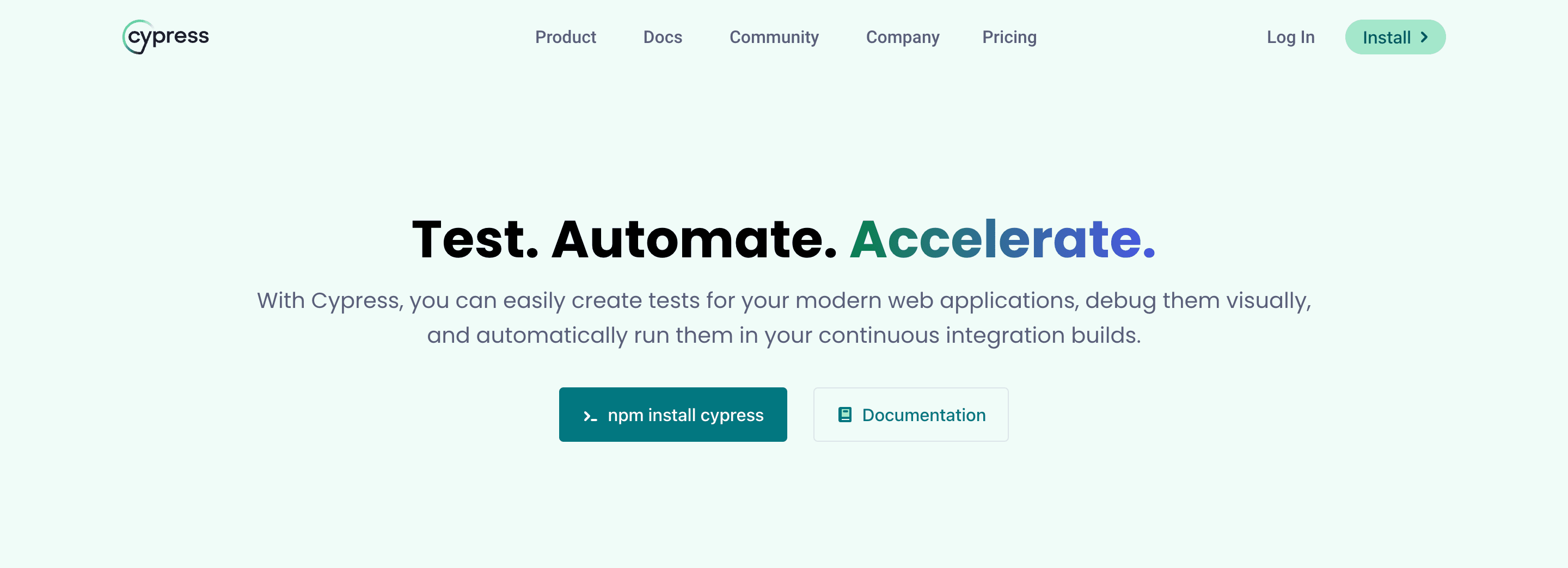
Cypress is a developer-focused JavaScript testing framework.
Key Features
Strengths
Limitations
Best Use Cases

Provar focuses exclusively on Salesforce test automation.
Key Features
Strengths
Limitations
Best Use Cases

Postman is the industry-standard tool for API design, testing, and monitoring.
Key Features
Strengths
Limitations
Best Use Cases
👉 Next step: Try BugBug’s freemium plan today and simplify your test automation journey.
Happy (automated) testing!
Your next release. Properly tested.
Join 1,200+ QA teams that automated their regression coverage with BugBug.

Dominik Szahidewicz is a Software Quality Evangelist specialising in quality assurance, test automation, and modern software testing practices. He creates practical, research-driven content that helps QA professionals, developers, and product teams improve test coverage, automate repetitive testing, and release more reliable web applications.
Drawing on his experience in technical writing, data analysis, and application consulting, Dominik translates complex testing concepts into clear, actionable guidance. His areas of interest include end-to-end testing, no-code test automation, regression testing, and the use of AI in software quality assurance.

QA & Test Automation Expert
Bartek Krzyżanowski is a QA and test automation expert at BugBug with 15 years of experience in software testing and quality assurance. Throughout his career, he has worked with software teams on improving testing processes, designing effective test strategies, and building maintainable automated test coverage.
His expertise spans manual and automated testing, end-to-end and regression testing, test automation strategy, and the practical challenges teams face when maintaining reliable test suites as products evolve. He focuses particularly on approaches that help QA and engineering teams increase coverage while keeping test automation understandable, maintainable, and useful in everyday development workflows.
At BugBug, Bartek contributes his testing expertise to educational content for QA professionals, developers, and product teams. As an author on the BugBug blog, he writes about software testing methodologies, test automation tools, industry practices, and practical techniques teams can use to improve software quality.
His writing combines extensive industry experience with a pragmatic perspective on modern test automation, helping teams understand not only which tools and techniques are available, but how to apply them effectively in real-world software development.
Join thousands of QA experts. Subscribe to our newsletter.
Get more testing tips and product related content. Zero spam.
Discover the best Puppeteer alternatives in 2026! From Playwright to advanced web scraping tools, find the perfect solution for your automation needs.
Compare BrowserStack alternatives including Sauce Labs, TestMu AI, TestingBot, Perfecto, Kobiton and open-source options, with pricing and best-fit guidance.
Are AI testing tools worth the hype? The integration of AI into software testing is transforming how we approach quality assurance.
Discover essential business tools for startups. Read the article to find the right tools for your success.
Discover the best automation testing tools—codeless, code-based, and performance-focused—that boost QA efficiency.
Explore the top functional testing tools and frameworks in 2026 in this guide. Choose the best tool to streamline your testing process.
Discover the best free test management tools that managers can use to maintain test suites and adopt agile test management best practices in 2026.
Best free and open-source test automation tools for 2026: Playwright, Cypress, Selenium and best free plans from commercial tools.
Discover the top 15 productivity tools designed to enhance your efficiency in 2026. Boost your workflow today—read the article for smarter solutions!