What is functional testing? Definition, types and examples
Written byDominik SzahidewiczReviewed byPaweł Bylina


Updated: September 28, 2026View as Markdown
Functional testing is a crucial part of software development that ensures the application’s features work according to specified requirements.
It focuses on validating whether the software behaves correctly based on user inputs, without delving into the internal code structure.
💡 Check also
Functional testing is a type of software testing that focuses on verifying whether a system's functionality meets the specified requirements. It ensures that the software behaves as expected by testing individual features through various approaches like unit tests, integration tests, and system testing.
Unlike non-functional testing, which evaluates performance and usability, functional testing checks the core functionality through both manual and automated testing methods.
Automated functional testing plays a crucial role in streamlining the testing process, allowing for faster regression tests, smoke testing, and sanity testing. By creating test cases based on functional requirements, this type of testing helps ensure that the software performs correctly before release, reducing the chances of defects and improving overall software quality.
Automate your tests for free
Test easier than ever with BugBug test recorder. Faster than coding. Free forever.
Get started

Differences between Functional and Non-Functional Testing are rooted in their objectives and focus areas. Functional testing is a type of software testing that focuses on validating whether the features of an application work according to the specified requirements.
It primarily checks "what" the system does by testing the functionality of individual components through methods like unit testing, integration testing, system testing, and regression testing. The main goal is to ensure that each feature works correctly for the end user.
On the other hand, non-functional testing examines "how" the system performs under various conditions. It evaluates the non-functional aspects of the system, such as performance, scalability, reliability, security, and usability. Non-functional testing includes testing types like performance testing, load testing, stress testing, and usability testing.
While functional testing focuses on the correctness of the software’s behavior, non-functional testing aims to optimize and improve the overall user experience, ensuring the system performs well under expected and unexpected conditions.
To perform functional testing effectively, follow these steps:
Start by thoroughly reviewing the functional requirements and specifications of the software. This step ensures that you understand what features and functions need to be tested.
Based on the requirements, identify different test scenarios that cover all possible functionality of the application. These scenarios should include all user actions, system inputs, and expected outputs.
Develop detailed test cases for each test scenario, specifying the steps to follow, input data to use, and the expected outcome. Each test case should clearly define what needs to be tested.
Collect and prepare the necessary test data that will be used during the testing process. This data should cover both valid and invalid inputs to ensure the application handles all cases.
Run the test cases manually or using automation tools. This is the actual execution phase where the system is tested based on the inputs and actions defined in the test cases.
After running each test case, compare the actual results with the expected results. If there are discrepancies, these should be logged as defects.
Any bugs or issues found during testing should be logged in a defect-tracking tool with details about the failure, including steps to reproduce and the severity of the issue.
Once defects are fixed, retest the functionality to ensure the issue is resolved. Also, conduct regression testing to ensure that recent changes haven’t negatively impacted other parts of the system.
After the testing cycle is complete, generate detailed reports summarizing the test cases executed, defects found, and overall test results.
These steps ensure a structured approach to verifying that the software's functionality meets the defined requirements and works as expected.
A great example of functional testing is testing the login functionality of a web application. It involves verifying that users can successfully log in and receive appropriate feedback for various scenarios. For instance:
There are several types of functional testing techniques that you can leverage, depending on the stage of development and the specific functionality being tested. Functional testing primarily focuses on black-box testing, where the system's internal workings are not examined, but the input-output behavior is validated instead. Let’s explore some key types of functional testing.
Unit testing is the first type of testing performed during the development phase. It focuses on testing individual components or modules in isolation to ensure they meet functional requirements. This type of testing is often done manually, but automated functional testing helps improve efficiency by catching bugs early in the process. Unit testing is also considered a form of white-box testing, as it examines internal structures.
After unit testing, integration testing focuses on testing how different components or modules work together. This is a critical part of the testing phase because it verifies that the software's functional requirements are met when individual parts are combined. Automated functional testing helps streamline this process, ensuring efficient testing of complex interactions within the system.
Check our list of Integration Testing Tools.
System testing involves testing the entire application in a real-world testing environment to ensure that all functional and non-functional requirements are met. This type of testing is performed to validate the overall behavior of the software, and it often uses both black-box testing and white-box testing techniques. Testing tools and frameworks play a key role in this phase to manage the complexity of testing the customer journey across different platforms.
Regression testing is performed to ensure that recent code changes or bug fixes haven't disrupted existing functionality. Automated functional testing helps run repetitive test cases efficiently. This type of software testing that verifies the stability of the application after updates is critical to maintaining the quality of the software.
Smoke testing is done to verify that the critical functionalities of a new build are operational. It's a quick test used during the early stages to ensure functional requirements are met. Sanity testing is more focused and is used to verify specific functions or bug fixes, ensuring they work as intended.
User acceptance testing, or UAT, is the final phase in the software testing process, where the application is tested by end-users. This type of testing is performed to validate that the software meets business requirements. Both manual testing and automated functional testing can be used to ensure that the application is ready for deployment.
QA vs UAT Testing: Exploring The Differences
Functional automation testing should be performed when you want to ensure efficiency and consistency in verifying that the software's functional requirements are met.
Automation becomes especially useful when there are repetitive functional test cases or complex scenarios that need frequent execution across different platforms.
For instance, in industries like medicine, where accuracy and reliability are critical, automation ensures that the software consistently meets functional or requirement specifications.
Automate your tests for free
Test easier than ever with BugBug test recorder. Faster than coding. Free forever.
Get started
In summary, functional automation testing is essential when there is a need for speed, consistency, and reliability in testing processes. It is also known to improve the overall quality of the application by ensuring that all functional testing types are covered efficiently.
💡 Read more about How to Create Test Cases for Login Page?
Functional testing verifies that software features work according to defined requirements and support business needs. It focuses on what the system does, while non-functional testing addresses qualities such as performance and security. By combining smoke, system, and regression testing, teams can validate core functionality, check complete workflows, and catch problems introduced by changes. Regular functional testing helps identify defects before release, confirms that expected behavior remains intact, and gives users a more reliable experience as the product evolves over time.
Happy (automated) testing!
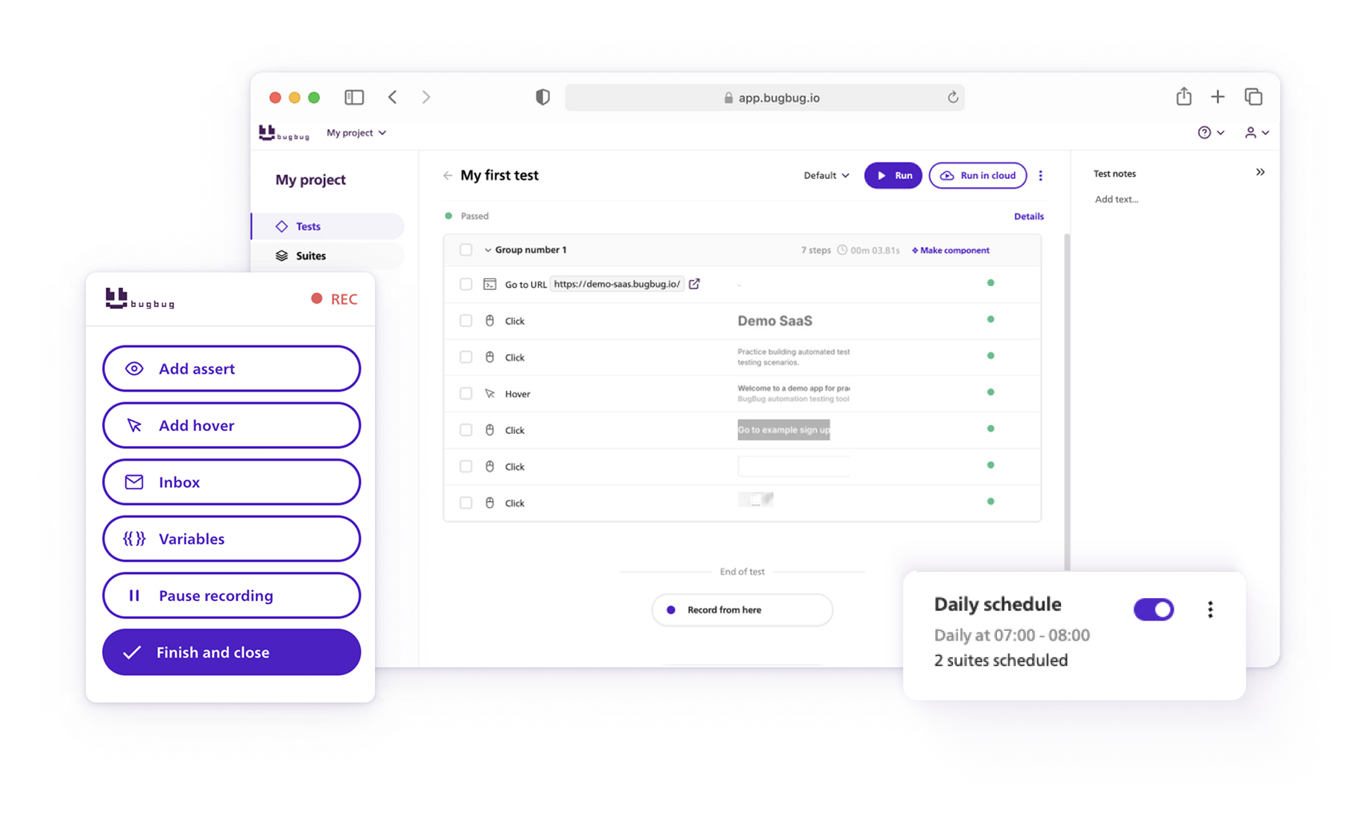
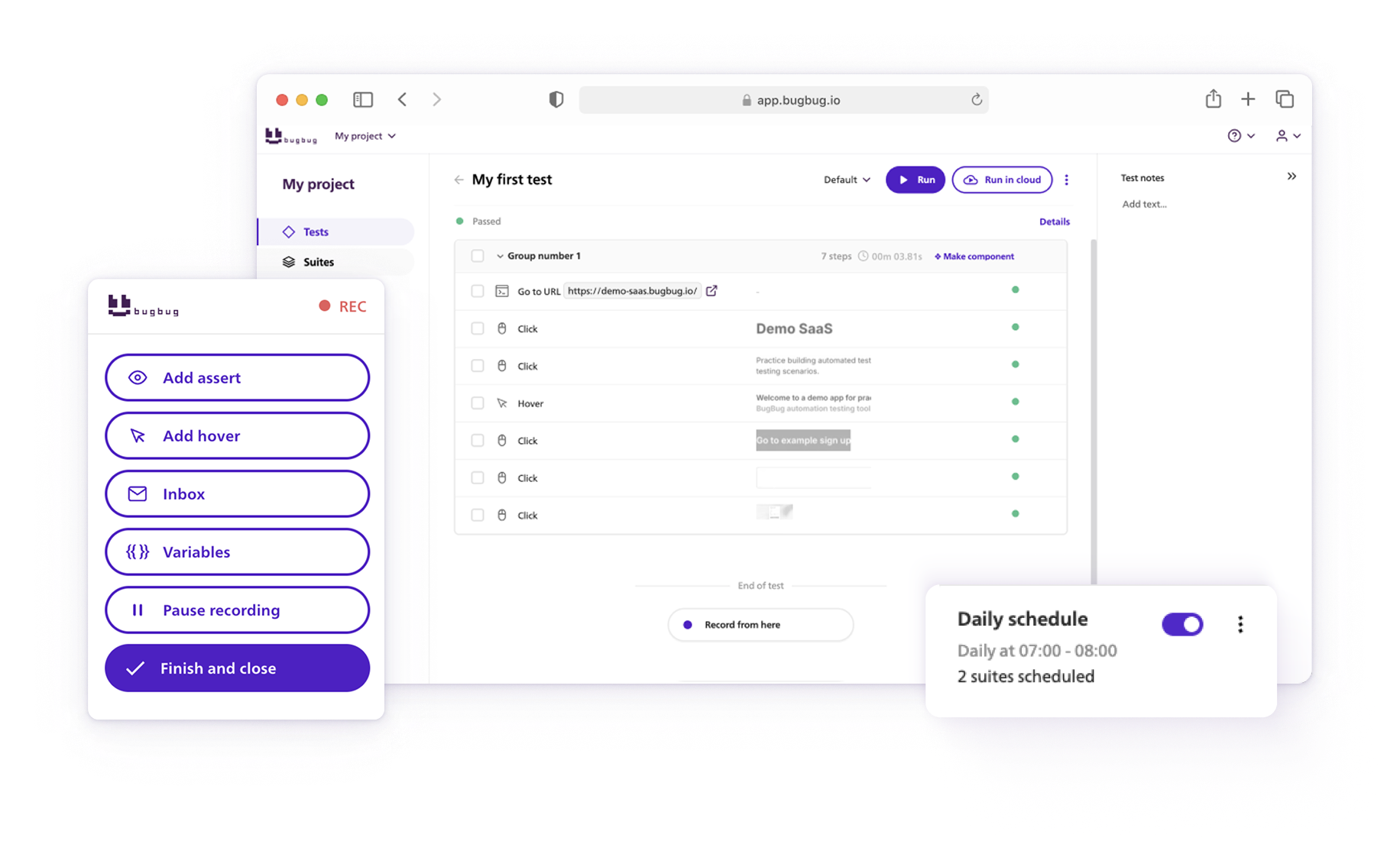
Your next release. Properly tested.
Join 1,200+ QA teams that automated their regression coverage with BugBug.

Dominik Szahidewicz is a Software Quality Evangelist specialising in quality assurance, test automation, and modern software testing practices. He creates practical, research-driven content that helps QA professionals, developers, and product teams improve test coverage, automate repetitive testing, and release more reliable web applications.
Drawing on his experience in technical writing, data analysis, and application consulting, Dominik translates complex testing concepts into clear, actionable guidance. His areas of interest include end-to-end testing, no-code test automation, regression testing, and the use of AI in software quality assurance.

Paweł Bylina is a software engineer, test automation product leader, and founder and CEO of BugBug, a no-code end-to-end testing platform used by teams in more than 50 countries. He has over 15 years of experience building software and leading engineering teams as a developer, engineering manager, CTO, and SaaS founder.
Paweł created BugBug after repeatedly seeing teams struggle with test automation that was costly to implement and difficult to maintain. He now works closely with QA engineers, developers, and engineering leaders to improve how software teams create and maintain reliable automated test coverage.
His expertise includes end-to-end testing, regression testing, browser automation, no-code test automation, QA strategy, and software quality. He shares practical insights drawn from building BugBug and working with software teams worldwide.
Join thousands of QA experts. Subscribe to our newsletter.
Get more testing tips and product related content. Zero spam.
data-testid attributes serve as a simple yet powerful tool for selecting elements within tests. Let's dive in and explore.
Compatibility testing is non-functional testing, which means it focuses on such aspects as the reliability and usability of software applications.
What is automation testing? Automation testing represents a sophisticated software testing strategy that employs automated tools.
Learn how to identify and fix test failures with this complete guide on what to do when your test fails.
Read this comprehensive guide on how to choose the right CI/CD tool. Selecting the tool that aligns with your project is essential.
Discover the best practices for handling Stale Element Reference Exception in Selenium. Learn how to avoid it in your test automation code.
Codeless automation testing tools: we cover who each tool is built for, where it genuinely falls short, and which teams should skip it.